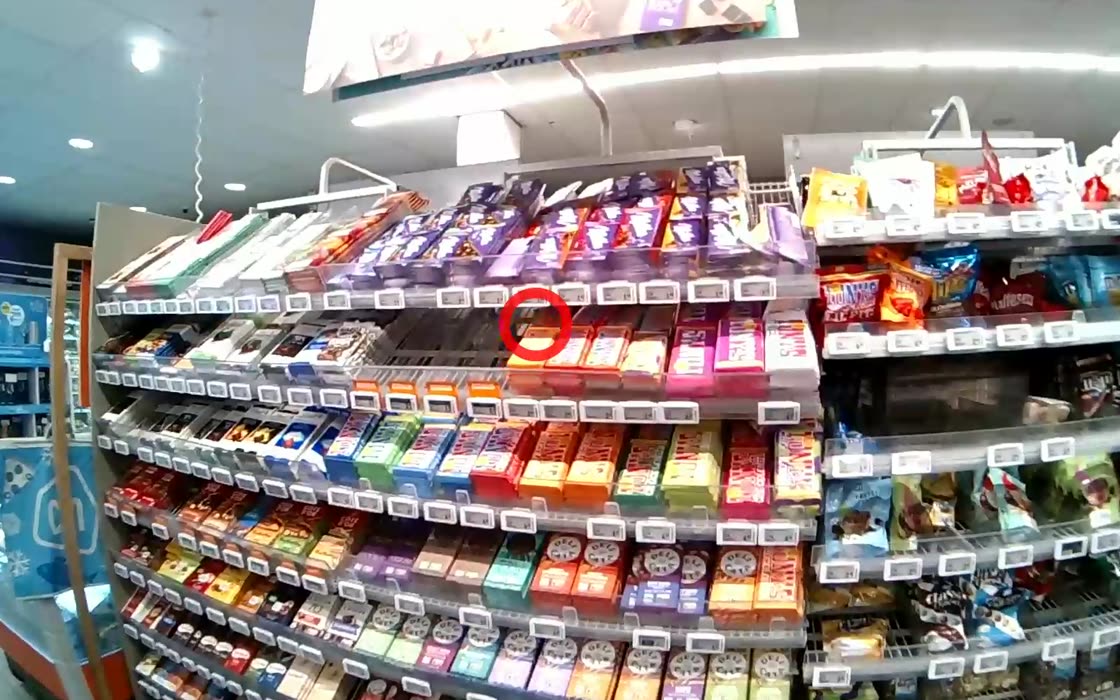
Today · real store
Today’s shelf, through their eyes
With eye-tracking glasses in a real store we see what shoppers notice, skip and pick, and what your current pack does for you. Afterwards they explain it themselves.
Build better packs, POS material and shopper strategies with VR/AR-driven behavioural insights.
Capture unconscious shopper behaviour through our portable virtual shopper lab. Realistic, life-size shelves and stores with AR/VR and eye tracking provide fast, affordable insights.
Your pack at the shelf
Every buyer sees it, every time. The perfect pack is found at once by existing buyers, catches the eye of new ones and tells its story in a split second, mostly without the shopper thinking about it. That makes every change to a pack a risk, and an opportunity.
of your buyers see your pack, every time they shop
to win or lose the shopper at the shelf
pack redesigns don’t deliver a meaningful sales lift
NielsenIQa new pack is twice as likely to cause a decline at the shelf as a win
Perception Research ServicesA refresh, a new claim, a more sustainable material: every redesign changes what shoppers rely on to find you.
Pack research today
Most pack tests can’t see the moment that decides a sale. So redesigns that look good in a test still lose shoppers in the store.
Designs are judged on a laptop, next to an oversimplified shelf. In the store, shoppers look higher, lower and further, and see your pack among dozens of others.
Standout is tested when the design is almost final. Early ideas get no shopper feedback, and late changes are expensive.
Asking captures conscious thoughts, a small part of the decision. Choice is driven by colour, contrast, shape and category codes that shoppers can’t put into words.
Our approach
In two places: the real store, to learn how shoppers buy today, and a life-size virtual shelf, to see what changes when your pack does.
With eye-tracking glasses in a real store we see what shoppers notice, skip and pick, and what your current pack does for you. Afterwards they explain it themselves.
Your new pack or display on a realistic, life-size shelf in VR, or in AR over the real fixture. Shoppers shop as they normally would, before anything is printed or produced.
We combine this with frameworks from neuroscience and semiotics, and turn what shoppers do into concrete design advice: what to keep, what to change and which route to take forward.
Sustainable packaging
New European rules (PPWR) and brands’ own targets mean almost every pack will change in the coming years: less plastic, less material, recyclable or refillable.
A sustainable pack only helps if shoppers keep buying it. Most shoppers don’t read the pack: they find their brand by colour, shape and place on the shelf. Change those, and loyal buyers walk past you. Done well, the change is also a chance: a new pack breaks the routine, and that is exactly when shoppers make a new choice.
What changes: a much smaller pack, a new format, often a new place on the shelf.
What changes: two versions side by side, and a shape shoppers don’t know yet.
What changes: other colours, less gloss, a different feel in the hand.
Testing a new pack
We put the new pack next to the current one on a life-size shelf, with eye tracking, before anything is produced. Every redesign loses shoppers somewhere in this funnel. We show you where, why, and what to change.
Only the small spot a shopper looks at is sharp. The rest of the shelf they take in as colour and shape, without reading a word. Drag across the shelf: a new paper pack must still stand out in the blur.
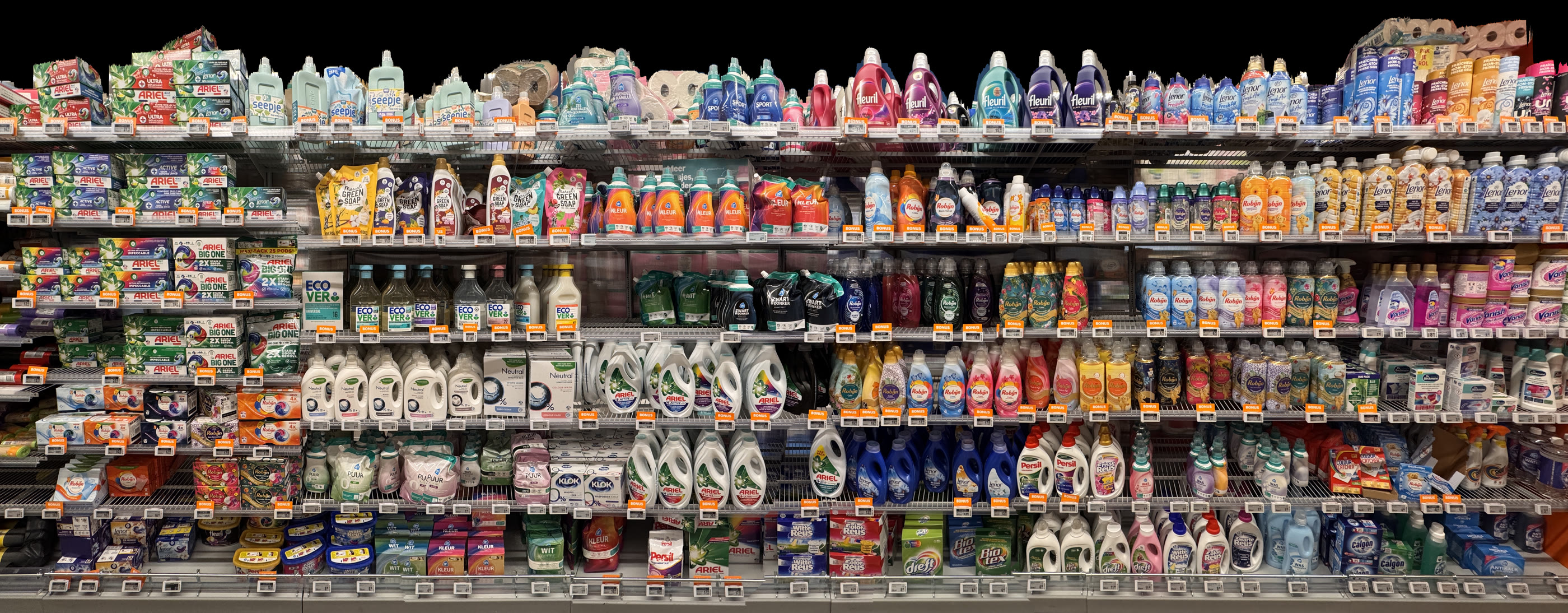 SharpShopper’s glance
A real laundry shelf, photographed and rebuilt for our virtual shelf. The blur is a simplified simulation of peripheral vision.
Don’t let your shoppers find out at the shelf.
Book a call →What we do
Whether you are redesigning a pack, launching a product or rethinking a display: start where you are. Each stage works on its own or builds on the one before.
How shoppers buy in your category today, and what your current pack does that a redesign must not lose.
Shoppers shop your category in a real store with eye-tracking glasses, then watch their own replay and tell you why they looked, skipped or picked. Deep understanding from a small group.
Real shelf photos and shopper behaviour turned into one brief that brand, sales and design agree on: category leaders, codes and clear action standards.
Which ideas work and why, while there is still time and budget to change them.
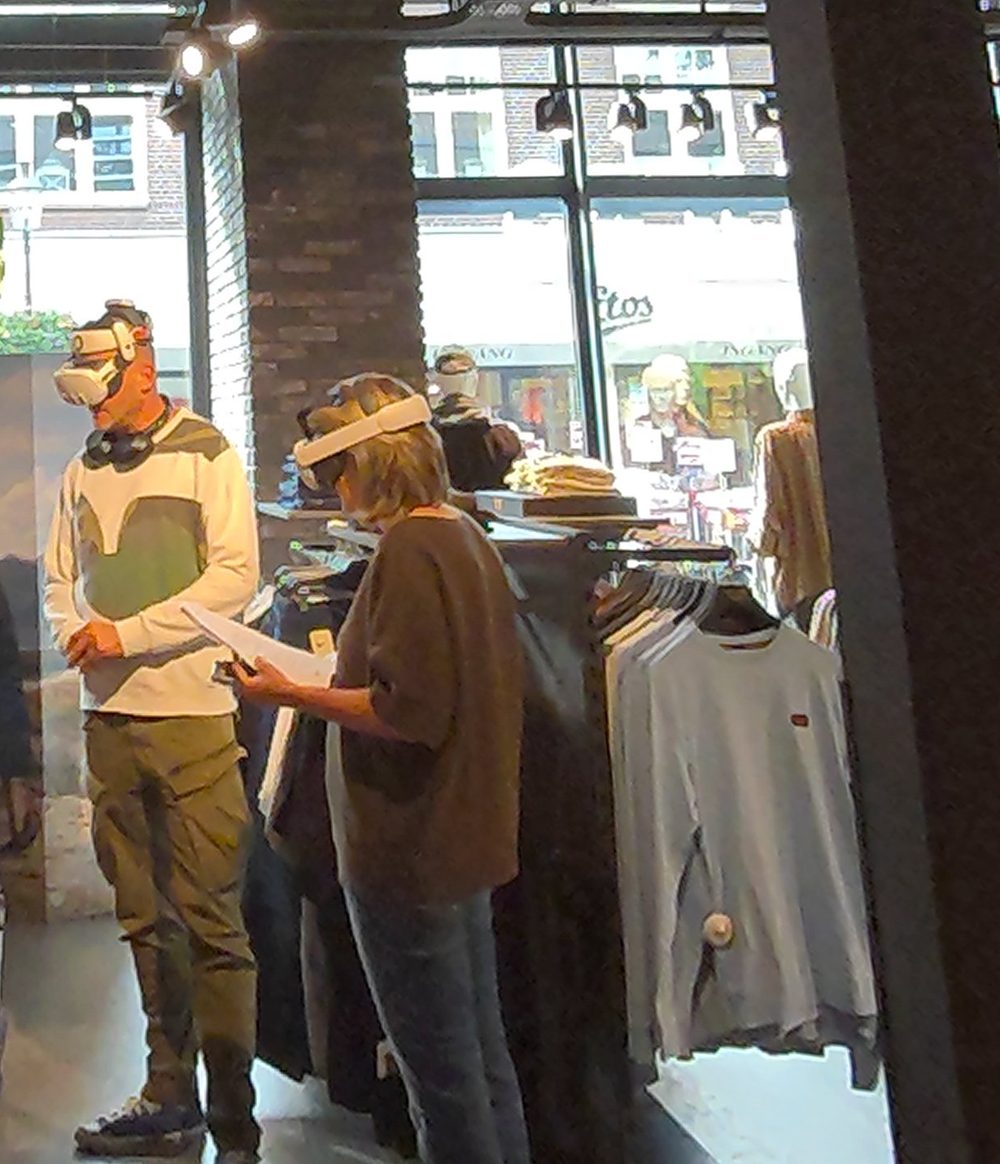
Shop-alongs on life-size virtual shelves with eye tracking, at your office or any location. Your team watches live and sees which ideas work, and why.
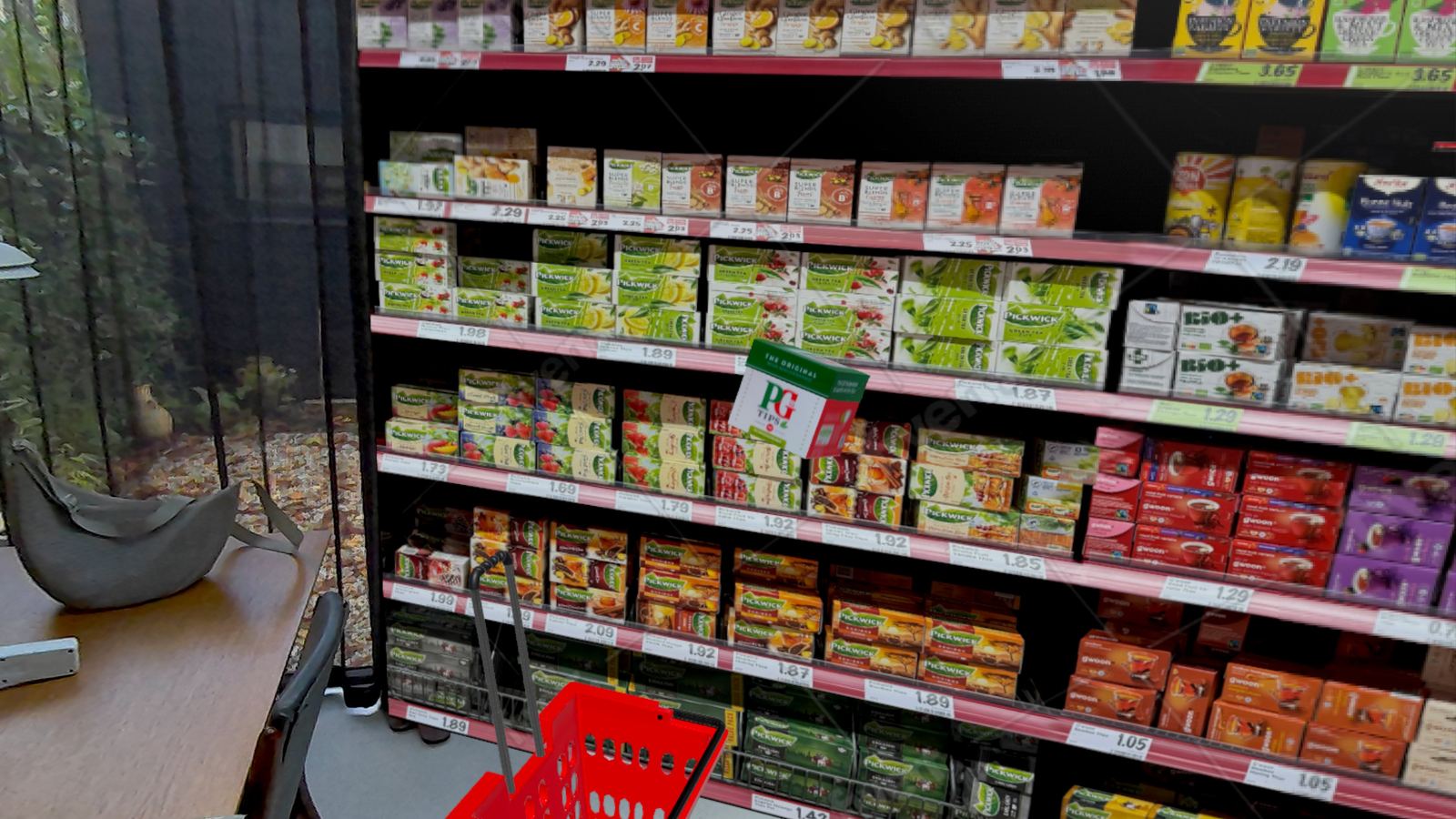
Five to ten minutes on a virtual shelf before a focus group or interview. Respondents arrive in shopping mode, and you see the gap between what they say and what they do.
Proof that the new pack or display works at the shelf, before anything is printed.
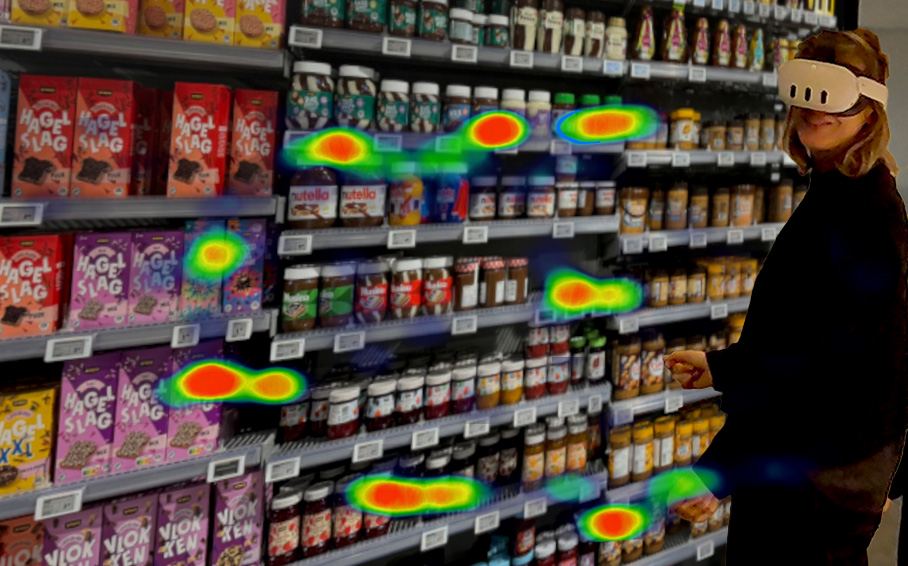
Your new design against the current pack on a life-size shelf, compared on attention, find time and first choice, with the reasons why. A clear go or no-go before production.
For e-commerce, global scale or a quick first read: AI pack scans, brand asset research and online pack validation.
Ways to work
Add a moduleAdd VR and eye tracking to your own study. You keep the client and the project; we bring the shelf, the technology and the behavioural read.
One partner from the first question to a go or no-go, with the right experts from our network for each project.
Topics
Typical questions from brands, retailers and agencies, early in development or just before launch.
Why life-size XR
Online tests are cheap but miss real behaviour. Store pilots are real but come late and cost a lot. Life-size VR and AR close the gap.
Levels of realism
Not every question needs a full 3D store. We build your shelf from what you have, photos or 3D files, and pick the level that gives a reliable answer.
Getting started
You don’t need a finished brief. Most projects start with a short conversation about what is changing on your shelf.
For one day of eye tracking in store or a VR Behavioural Brief. AI keeps bringing the cost of life-size research down, to the level of online research. Your price depends on stimuli, countries, realism and level of detail.
Ask for ratecard or proposal →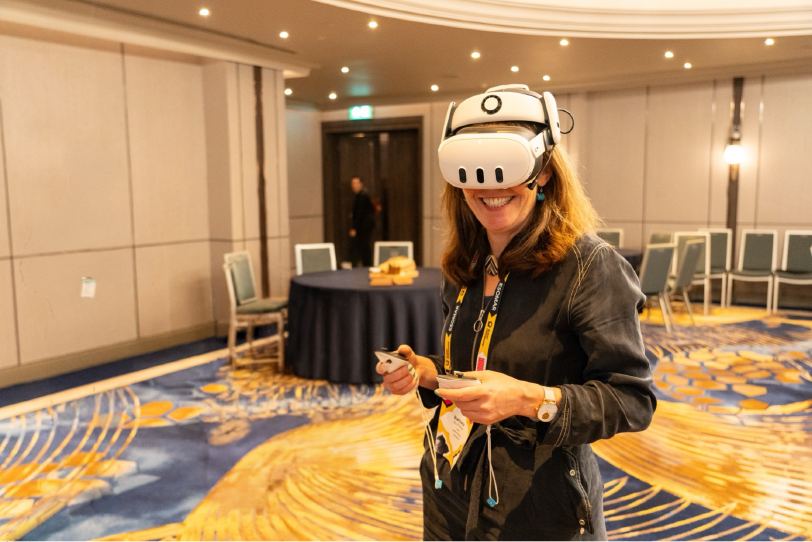
Founder
Barbara has worked in consumer and shopper research for 20 years. In 15 years at MetrixLab, now part of Toluna, she helped it grow from start-up to global agency, as researcher, client director and global innovation director. She ran research for brands such as Unilever, Philips and FrieslandCampina across Europe, the US, the Middle East, China and Brazil, and spent two years in Japan.
A trained industrial designer, she started bricXR to bring shoppers into pack decisions early, and works with a network of independent experts and boutique agencies.
Tell us what is changing on your shelf. We’ll plan a short call to see what fits your question, timing and budget. Or mail barbara@bric.amsterdam.
Try the virtual shelf yourself, or book a time to meet at the stand.